

Turning SME’s Expertise Into Impact: A Practical Guide to eLearning Collaboration
High-quality elearning depends on expert insight from subject matter experts (or SMEs, as they are often affectionately called). But transforming a SME’s expertise into effective learning materials requires more than considering subject knowledge alone. It demands structure, empathy, and a collaborative development process that respects both the accuracy of the content and how people actually learn.
Learning teams and subject matter experts often approach content creation from different angles. SMEs focus on depth, precision, and industry standards, while learning designers focus on learner needs, clarity, and engagement. When these perspectives are not aligned, they bog down the learning process, especially under the time constraints of modern elearning projects.
This guide explores how working with subject matter experts through effective collaboration helps learning teams create elearning courses that are engaging, scalable, and impactful.
What Is a Subject Matter Expert (SME) and Why Do They Matter in eLearning?
A subject matter expert brings deep domain knowledge, contextual judgment, and credibility to an elearning project. SMEs play a crucial role in shaping learning materials that reflect real-world complexity and organizational expectations. They could be the most knowledgeable experts within an organization, or they could hold PhDs in specific fields.
Either way, expertise alone does not guarantee effective learning. Teaching requires a different skill set than doing. The most successful elearning initiatives recognize that the SME’s expertise and the learning design serve complementary functions.
Ideally, the SMEs and the L&D team work together to define learning objectives, align on learning outcomes, and ensure accuracy without overwhelming learners.
Common Challenges When Working With SMEs
Challenges in SME collaboration are common, especially when organizations need to create elearning content quickly.
Some of the most frequent issues include:
- Information overload, where too much detail obscures the core learning objectives
- Time constraints, which limit availability for reviews and feedback
- Misaligned expectations, particularly around roles in content development
- Different professional languages preventing effective communication across different disciplines
- Limited familiarity with elearning design, which can create tension during simplification
Addressing these challenges early helps streamline workflows and keeps elearning projects moving forward.
The Goal: Transform Expertise Into Effective Learning
The goal of SME collaboration is not to document everything an expert knows. It is to create effective learning experiences that support real performance.
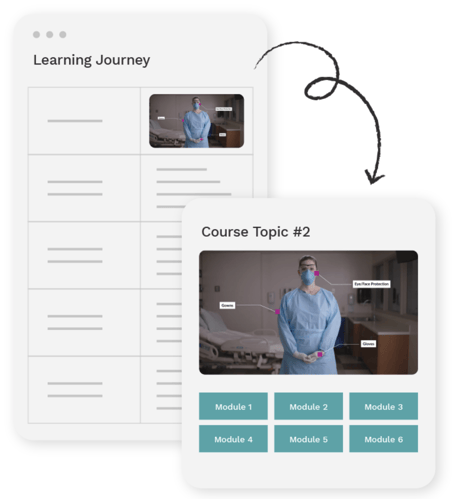
Learning designers translate SME’s expertise into structured modules that respect cognitive limits and prioritize application. This is what simplification means: using research-based principles such as sequencing, chunking, and scaffolding to ensure that learners of varying education levels and backgrounds can absorb, retain, and apply new information with a common workplace environment.
Effective elearning focuses on what learners must do differently after training. When the learning objectives are clear and learning outcomes are measurable, simplification strengthens employee’s learning outcomes rather than diminishing the quality of the content.
How to Build Effective Collaboration With SMEs
Strong elearning outcomes depend on intentional collaboration throughout the development process. There are several key ways to go about this.
1. Start With Clarity and Shared Goals
Define the project plan early on. Make sure all of the project stakeholders are aligned on the audience, scope, learning objectives, timelines, and success metrics.
2. Organize Knowledge Before Design Begins
Capturing and structuring expertise early on prevents rework later. For the same reason, clear frameworks support a smoother design process and faster content development.
3. Build Trust Through Curiosity and Respect
Learning teams should ask questions that prioritize actionable feedback and development, not just lists of facts. SMEs should feel heard, especially when identifying risks, exceptions, or common errors.
4. Co-Create During Content Development
Bringing SMEs into storyboarding, scenario planning, and case studies helps ensure accuracy while boosting learner engagement.
5. Maintain Alignment With Real-Time Communication
Regular check-ins and shared collaboration tools help manage feedback, track progress, and maintain momentum across workflows.
Best Practices for SME Training and Onboarding
It’s important for SMEs to be prepared to collaborate on elearning programs. Making sure they understand what needs must be met by their material reduces friction and accelerates the content creation phase. Well-oriented SMEs also contribute more effectively and experience less revision fatigue.
Best practices for SME preparation include:
- Introducing SMEs to learner needs, learning objectives, and intended learning outcomes
- Explaining the elearning development process from concept to launch
- Clarifying roles within project management so that SMEs know when they are advising on learning content versus approving deliverables
- Providing short guides on how content becomes modules, scenarios, or online courses
- Encouraging SMEs to think in terms of usability, not completeness
Tools and Processes That Streamline SME Collaboration
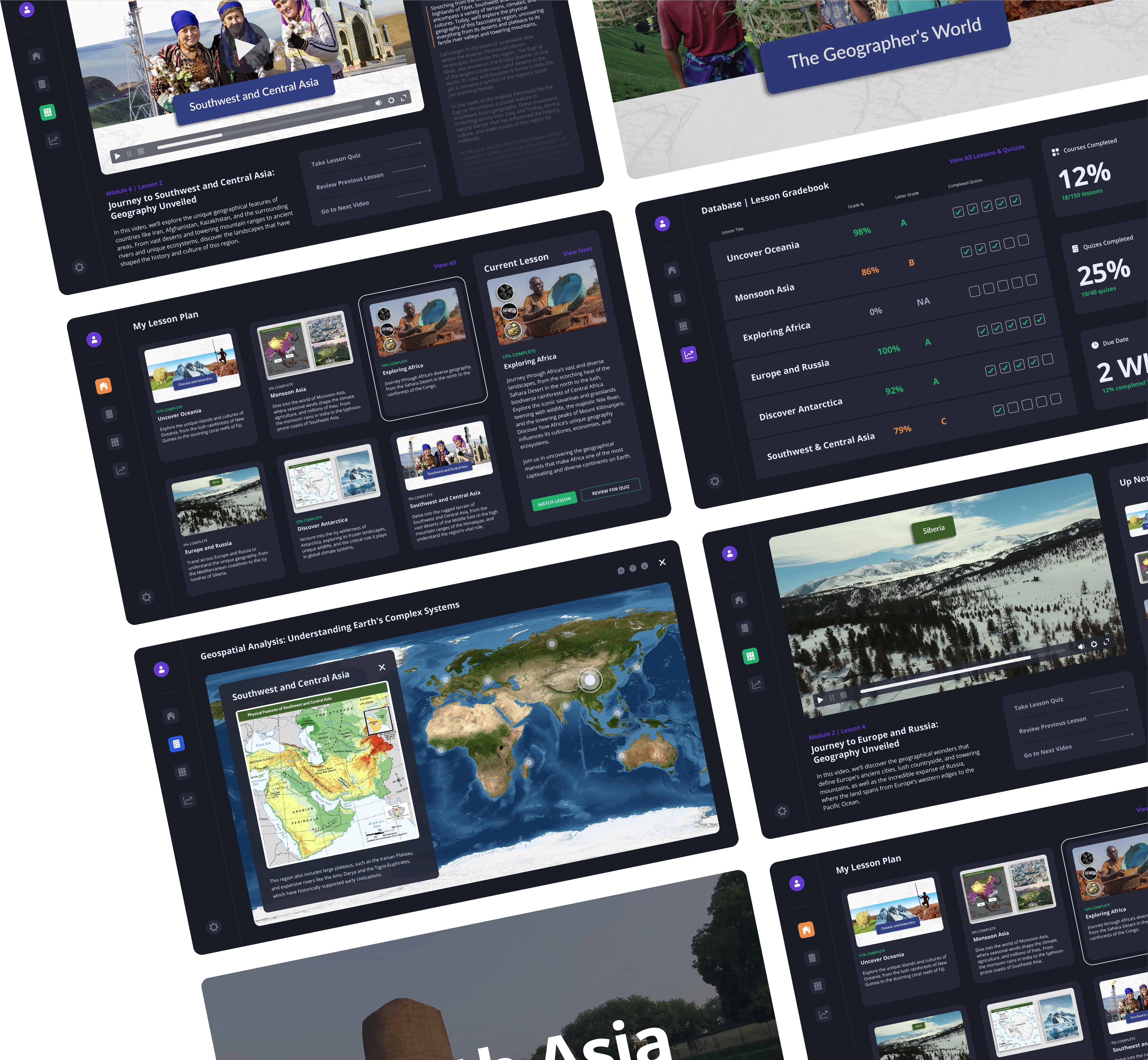
In the same way, the right creative development systems simplify collaboration between learning designers and SMEs, protecting the quality of the learning design when the team is under tight timelines.
Helpful tools and processes include:
- Shared content frameworks aligned to learning objectives
- Visual storyboards that preview the learner experience
- Structured SME interviews that more efficiently record their knowledge
- Digital review platforms that centralize feedback in real time
- Collaboration tools that support transparency across stakeholders
These tools help streamline workflows and keep elearning projects aligned with industry standards.
How Learning Designers Can Get More Value From SME’s Expertise
The most valuable SME insights often go beyond procedures and definitions.
Learning designers should broaden the scope of their inquiries for SMEs and specifically ask them to identify:
- Common misconceptions learners bring to the content
- Patterns seen in successful versus struggling performers
- Decision points that require judgment, not memorization
Blending these insights with learner data and feedback strengthens learner engagement and supports continuous improvement across elearning courses.
Video, Storytelling, and Media in eLearning Design

Digital media plays a central role in making expertise accessible and memorable through engaging learning experiences.
Whether SMEs play an on-camera or consulting role in how a course is delivered, short and long-form videos that include storytelling, case studies, how-to explainers, or engaging presentations make learning and retaining content significantly more effective.
Fully-animated videos are just as effective at simplifying complex processes and illustrating abstract concepts without sacrificing accuracy.
These approaches improve effective learning by connecting pure information to practical action, especially in digital and asynchronous online courses.
How NextThought Supports High-Quality SME Collaboration
Whether you have SMEs or are looking to tap into a network of SMEs, NextThought partners with organizations to streamline their SME collaboration process and create elearning courses that balance depth with clarity. If your organization needs to improve content development, learner engagement, and overall learning impact, NextThought is your partner.
By combining instructional design, storytelling, and media production, our approach supports effective communication, adaptability, and collaboration across the full elearning project lifecycle.
Getting Started With NextThought
Successful elearning does not happen by accident. It is the product of thoughtful collaboration, strong project management, and respect for both expertise and learners.
Contact us today for a free quote on your upcoming project
.

NextThought team
NextThought transforms workplace learning through creative technology and engaging media. We're fortunate to partner with some of the top organizations in the world to make their educational training content remarkable and effective.
Recent Posts

eLearning Video Production for Global Teams in 2026
June 22, 2026 12 Min Read

Top eLearning Video Production Services (2026)
June 12, 2026 2 Min Read
Turning SME’s Expertise Into Impact: A Practical Guide to eLearning Collaboration
April 2, 2026 4 Min Read